
NCSA Sports Blog: College Recruiting Tips, Athlete Stories, and Expert Advice
Recent blog posts
-
How to Choose a College That’s Right For You
By
Choosing a college that’s right for you can be a difficult process. But if you take the proper approach, things will go a lot more smoothly and you’ll be more likely to be satisfied with the results. Stick to these steps when choosing a college: If you want to know how to find the best…
-
What’s It Like To Be A College Recruit On June 15th?
By
On June 15th after her sophomore year, volleyball player Miley Myers was trying to stay busy. She knew that today was a big day: college coaches could begin calling her to express their interest in her playing for their program. Miley had been doing everything she could to get their attention: She emailed coaches using…
-
Behind The Scenes Of One Student-Athlete’s College Recruiting Journey
By
Miley Myers, a class of 2026 volleyball player, was scrolling social media when a question stopped her: do you want to play college sports? As a competitive volleyball player, that had always been her dream. But she didn’t quite know where to start or how to get a college coach’s attention. So, she clicked on…
-
College Match: How NCSA Helps You Find Your Best College Fit
By
Ever wonder how NCSA helps student-athletes find their best college fit? If you’re a student-athlete looking to get recruited to play your sport in college, knowing how this key NCSA feature can help you can help jumpstart finding the right schools Above: NCSA Recruiting Coach, Ben Wright, explains NCSA’s college matching services. Fill out your…
-
How NCSA Boosted Sienna Dauer’s College Basketball Recruiting Success
By
A Journey to College Recruiting Success Navigating the college recruiting process can be confusing for both parents and student-athletes. In this video, Annie Dauer and her daughter Sienna Dauer, a basketball player, share how NCSA’s platform helped Sienna on her college recruiting journey to play Division 1 basketball. Whether you are a parent or a…
-

Top 2 Things to Do in Your NCSA Profile to Maximize Your Recruiting Success
By
If you’re a student-athlete looking to get recruited to play your sport at the next level, using your NCSA profile the right way can make a huge difference in your college recruiting journey. But with so many features available, where should you focus? Let’s break down the two most important things you should be doing…
-

460 NCSA Athletes Are Competing in March Madness—Could You Be Next?
By
March Madness is here, and if you’re a college basketball fan, you know this is the best time of the year. The upsets, the buzzer-beaters, the underdog stories, it’s what makes the tournament so special. NCSA Athletes Represent Across All Divisions This year, 460 NCSA student-athletes are making their mark on college basketball’s biggest stage,…
-

What Nyzier Fourqurean’s Case Means For The Five-Year Rule
By
Wisconsin cornerback Nyzier Fourqurean became the latest college football player granted an injunction to allow him to play an additional year in NCAA Division 1 football – and it could signal another step in potential major changes to what playing in different divisions means for a student-athlete’s eligibility. Current NCAA eligibility rules allow student-athletes five…
-
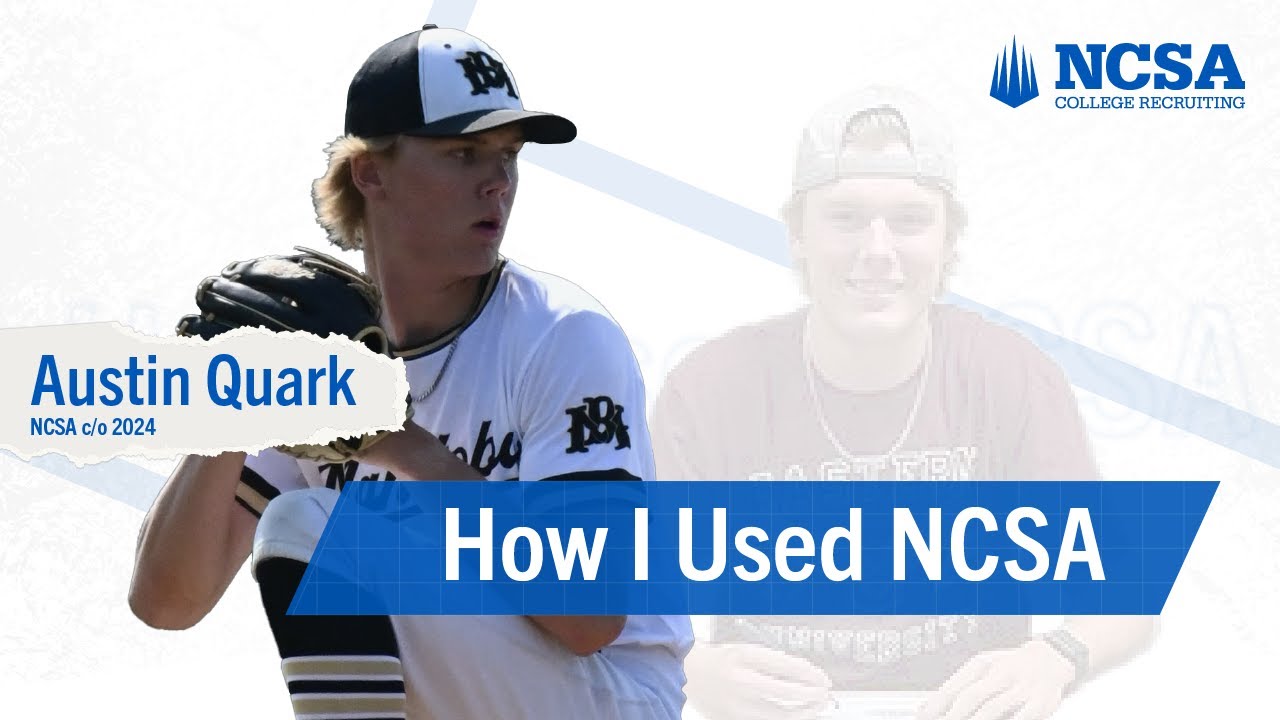
How NCSA Helped Austin Quark Get Recruited for College Baseball
By
Find out how baseball player Austin Quark discovered how to find his best fit college – and receive an offer! Valuable Advice Looking back on his recruiting experience, Austin reflected on how much NCSA’s tools helped him understand which schools would be the best match for him and connect with college coaches. Austin was guided…
-

High School Football 101: Rankings, Schedules, Playoffs & Recruiting Explained
By
High school football is most known for “Friday Night Lights,” both the movie and book versions and the real-life games that take place across the country every week in the fall. In small communities, these football games tend to be especially widely supported. This is particularly true in Texas, where the final game of the…