
Category: NCAA News
Recent Posts in NCAA News
-

College Sports Commission and NIL Go Explained
By
College sports now has two rulebooks, and most athletes don’t know which one applies to them. The House v. NCAA antitrust settlement didn’t just change what athletes can earn. It created an entirely new college athletics enforcement body called the College Sports Commission, and that body is already reviewing deals, tracking payments, and building a…
-

The Protect College Sports Act of 2026: Explained for Families
By
College sports recruiting has never been more complicated. Years of conflicting state NIL laws, landmark antitrust lawsuits, and changes to the transfer portal have left families, coaches, and athletic programs working through a system with no consistent rulebook. The Protect College Sports Act of 2026, introduced in the Senate as S.4668, is Congress’s most serious…
-
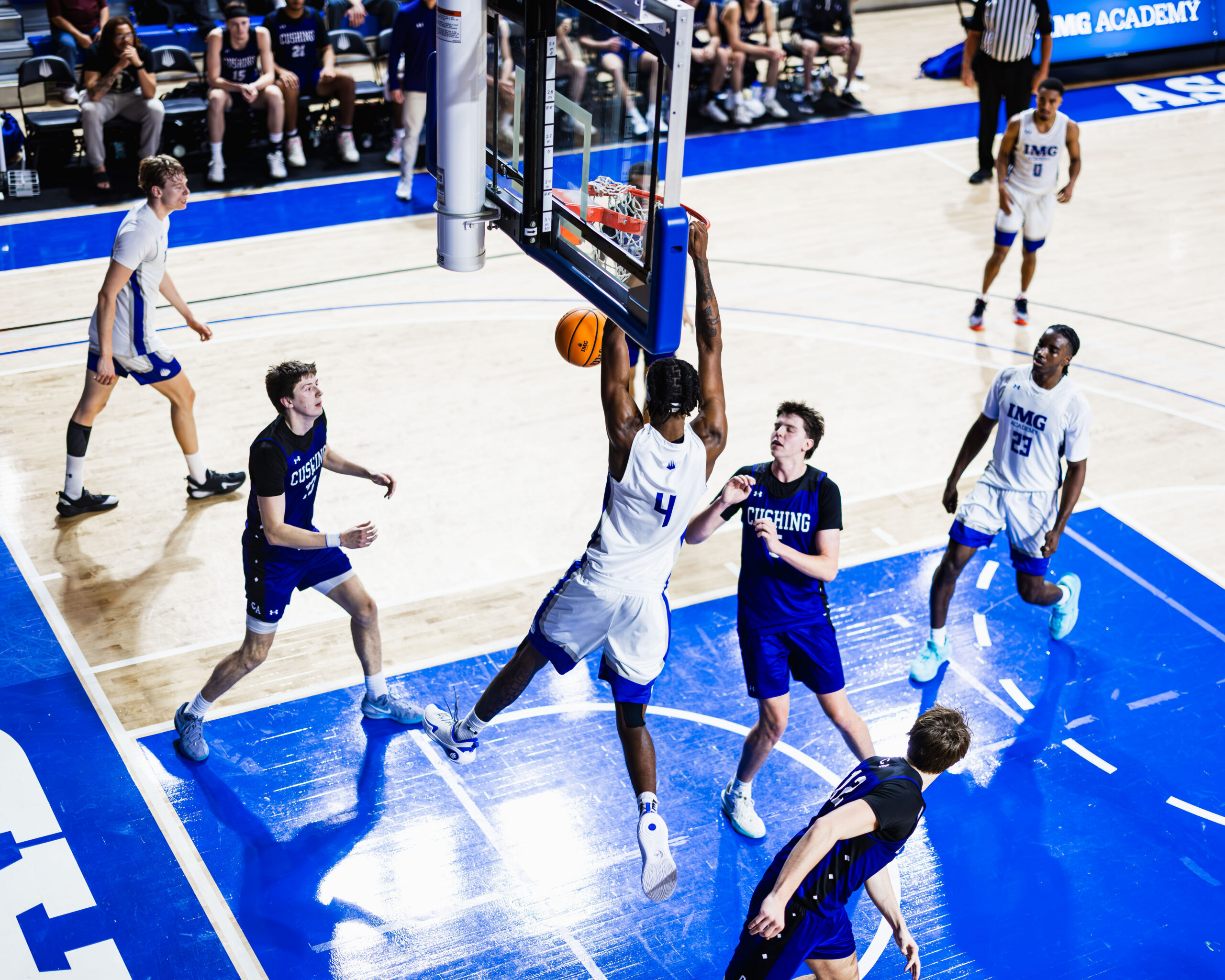
NCAA 5-Year Eligibility Rule Change: What Student-Athletes and Families Need to Know
By
Learn how the NCAA’s new 5-year eligibility rule works, why it was created, when it takes effect, and what it means for college recruiting and student-athletes.
-

New NCAA Emerging Sports for Women Are Opening Doors in College Athletics
By
New NCAA Emerging Sports for Women are creating more opportunities for female athletes at the college level. As the NCAA continues to recognize and add emerging sports, schools can build new teams, expand roster spots, and increase recruiting options. Understanding which sports are considered emerging, and how the process works, can help athletes take advantage…
-

NCAA Redshirt Rules Under Fire: Inside the 2025 Class-Action Lawsuit and Recruiting Impact
By
Update: In June 2026, the NCAA passed an age-based eligibility model that allowed student-athletes at the Division 1 level to compete for five seasons in five years from the time they enroll in college or the academic year after their 19th birthday (with limited exceptions.) Student-athletes who have eligibility after the 2025-26 school year are…
-

What Is NCAA Revenue Sharing?
By
NCAA revenue sharing is now a reality: for the first time in history, NCAA Division 1 colleges and universities who opt into the House v. NCAA settlement, will directly share athletic department revenue with student-athletes in the form of direct payments. Traditionally, athletes were limited to scholarships, while some universities and conferences collected billions from…
-

What Nyzier Fourqurean’s Case Means For The Five-Year Rule
By
Wisconsin cornerback Nyzier Fourqurean became the latest college football player granted an injunction to allow him to play an additional year in NCAA Division 1 football – and it could signal another step in potential major changes to what playing in different divisions means for a student-athlete’s eligibility. Current NCAA eligibility rules allow student-athletes five…
-

Does JUCO Count Against NCAA Eligibility? JUCO Ruling Explained.
By
Update: In 2026, the NCAA passed an age-based eligibility model that allows student-athletes at the Division 1 + 2 level to compete for five seasons in five years from the time they enroll in college or the academic year after their 19th birthday (with limited exceptions.) Student-athletes who have eligibility after the 2025-26 school year…
-
NCAA Eliminates National Letter of Intent (NLI). What Now?
By
The NCAA eliminated the National Letter of Intent (NLI), on October 9, 2024, ending a program that had held major significance in the college recruiting process. The change comes as the NCAA is potentially close to major changes across the landscape, including the elimination of scholarship limits and changes to amateurism rules that now allow…
-

NCAA D1 Updates Official Visit Rules and Aims to Improve the Athlete Experience
By
The NCAA D1 Council met in April and approved several updates, including new official visit rules. The council also continues to support initiatives aimed at improving the D1 student-athlete experience overall. Here are the important updates you need to know: Recruits can now take unlimited official visits Beginning July 1, 2023, recruits will no…