

Category: Athletic Recruiting
Recent Posts in Athletic Recruiting
-

Can a Sports Boarding School Improve Your Chances of Playing in College?
By
A student-athlete’s chance of success is often enhanced by having a strong support system throughout the recruiting journey. To find that support, some families consider sports boarding schools, like IMG Academy, where student-athletes have access to dedicated college placement advisors, experienced coaches, academic teachers, athletic and personal development trainers, mentors, counselors, and other on-campus staff who…
-

4 Tips to Get Recruited for College Softball From an Olympic Medalist and D3 Champion
By
For many student-athletes, playing college softball is a dream that starts long before senior year of high school. But understanding the recruiting process – and what college coaches actually look for – can make a huge difference in turning that dream into reality. From evaluating your skill level to getting noticed by coaches, there are…
-

Parents’ Biggest Recruiting Questions Answered (Part 1 )
By
Parents often have a lot of questions about the college recruiting process, when to start, how coaches evaluate athletes, and what families should actually be doing when recruiting interest begins. In this episode of College Recruiting Explained, we answer some of the most common recruiting questions we hear from parents of student-athletes. In this video,…
-

New NCAA Emerging Sports for Women Are Opening Doors in College Athletics
By
New NCAA Emerging Sports for Women are creating more opportunities for female athletes at the college level. As the NCAA continues to recognize and add emerging sports, schools can build new teams, expand roster spots, and increase recruiting options. Understanding which sports are considered emerging, and how the process works, can help athletes take advantage…
-

What is NCAA Delayed Enrollment? Rules, Grace Periods, and How to Stay Eligible
By
Taking a gap between high school and college can be a smart move for many athletes. You might use this time to train, compete, recover from an injury, or finalize your college plans. But here’s the catch: it can also affect your eligibility if you enter official events after the grace period has expired. Here’s…
-

What Student-Athletes should Know About Reclassifying
By
Thinking about reclassifying to give yourself a better shot in your sport? Some families are exploring that option these days. Whether it’s to get stronger, improve grades, or boost recruiting opportunities, reclassifying has become a popular move among middle and high school athletes. Before you make the call to reclass, it’s important to understand what…
-
What Happens When a College Cuts a Sport and How Student-Athletes Can Stay on Track with Recruiting
By
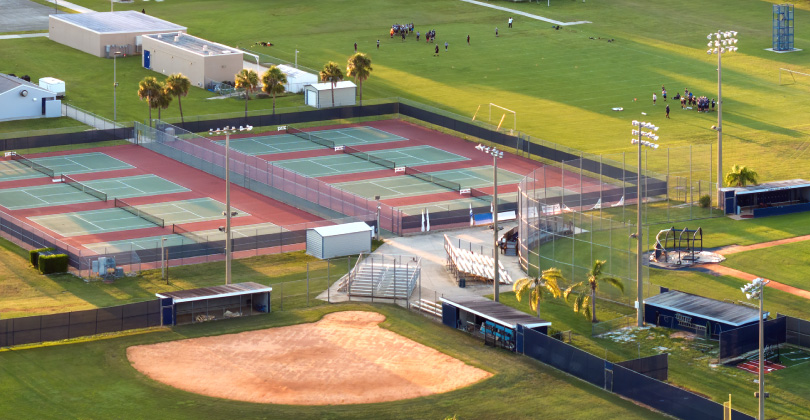
When a college cuts a sport, it can feel like your athletic dreams are slipping through your fingers. Whether you’re a current student-athlete or a high school recruit with your sights set on a specific program, losing a team disrupts your path in a major way. In this post, we’ll explain what happens when a…
-

College Match: How NCSA Helps You Find Your Best College Fit
By
Ever wonder how NCSA helps student-athletes find their best college fit? If you’re a student-athlete looking to get recruited to play your sport in college, knowing how this key NCSA feature can help you can help jumpstart finding the right schools Above: NCSA Recruiting Coach, Ben Wright, explains NCSA’s college matching services. Fill out your…
-

Top 2 Things to Do in Your NCSA Profile to Maximize Your Recruiting Success
By
If you’re a student-athlete looking to get recruited to play your sport at the next level, using your NCSA profile the right way can make a huge difference in your college recruiting journey. But with so many features available, where should you focus? Let’s break down the two most important things you should be doing…
-

460 NCSA Athletes Are Competing in March Madness—Could You Be Next?
By
March Madness is here, and if you’re a college basketball fan, you know this is the best time of the year. The upsets, the buzzer-beaters, the underdog stories, it’s what makes the tournament so special. NCSA Athletes Represent Across All Divisions This year, 460 NCSA student-athletes are making their mark on college basketball’s biggest stage,…