
Category: FAQs
Recent Posts in FAQs
-

What is the Cost of College Recruiting?
By
Most families on a college recruiting track spend $3,000 to $10,000 per year, or roughly $15,000 to $50,000 across a high school career. Club and travel fees are almost always the largest line item, typically 50–70% of the total. Camps, highlight video, campus visits, and training make up the rest. But the range is wide…
-

Should Student-Athletes Build a Personal Brand Before Recruiting?
By
Whether you’re a freshman just beginning your recruiting journey or a junior preparing to contact college coaches, you’ve probably heard the phrase “build your personal brand.” But what does that actually mean—and does it really matter for recruiting? The short answer is yes. But not for the reasons many athletes think. An athlete brand isn’t…
-
College Recruiting Services vs. DIY Recruiting
By
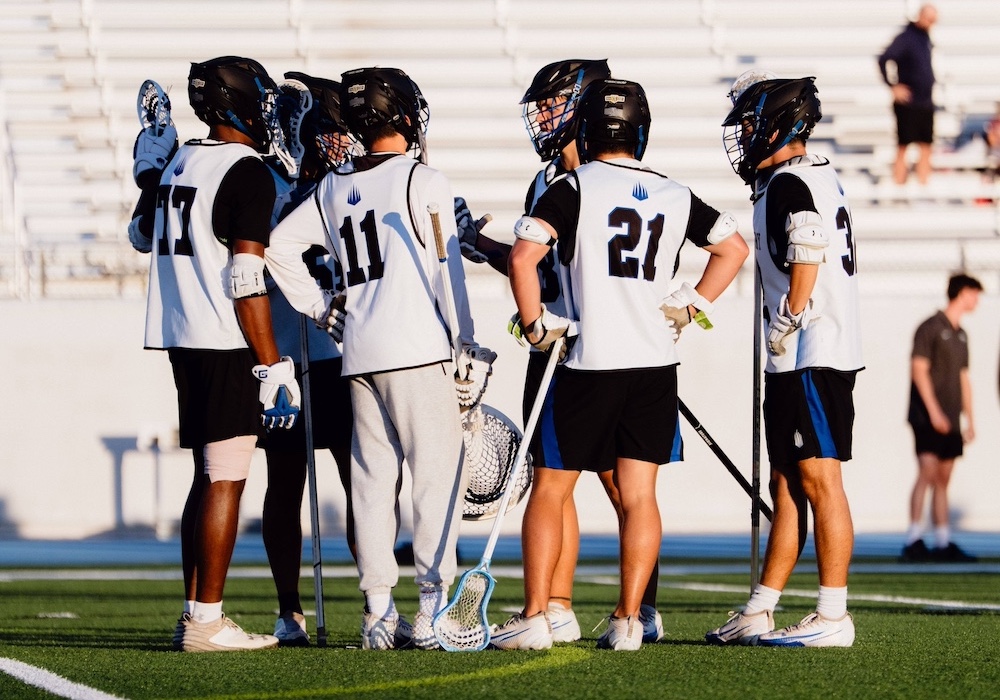
For many student-athletes and their families, one of the biggest questions during the recruiting journey is whether to use college recruiting services vs DIY recruiting. While some athletes successfully manage the process on their own, others benefit from expert guidance, recruiting technology, and personalized support. The right approach depends on your goals, sport, division level,…
-

How to Build an Athletic Resume
By
For student-athletes interested in playing college sports, an athletic resume is one of the most important recruiting tools you can create. Coaches often review resumes alongside highlight videos, transcripts and recruiting profiles to quickly evaluate potential recruits. A strong athletic resume helps college coaches understand who you are as an athlete, student and competitor. It also gives families a clear way to organize…
-

Can a Sports Boarding School Improve Your Chances of Playing in College?
By
A student-athlete’s chance of success is often enhanced by having a strong support system throughout the recruiting journey. To find that support, some families consider sports boarding schools, like IMG Academy, where student-athletes have access to dedicated college placement advisors, experienced coaches, academic teachers, athletic and personal development trainers, mentors, counselors, and other on-campus staff who…
-

Parents’ Biggest Recruiting Questions Answered (Part 1 )
By
Parents often have a lot of questions about the college recruiting process, when to start, how coaches evaluate athletes, and what families should actually be doing when recruiting interest begins. In this episode of College Recruiting Explained, we answer some of the most common recruiting questions we hear from parents of student-athletes. In this video,…
-

What is NCAA Delayed Enrollment? Rules, Grace Periods, and How to Stay Eligible
By
Taking a gap between high school and college can be a smart move for many athletes. You might use this time to train, compete, recover from an injury, or finalize your college plans. But here’s the catch: it can also affect your eligibility if you enter official events after the grace period has expired. Here’s…
-
NCAA Redshirt Rules Under Fire: Inside the 2025 Class-Action Lawsuit and Recruiting Impact
By
Update: In June 2026, the NCAA passed an age-based eligibility model that allowed student-athletes at the Division 1 level to compete for five seasons in five years from the time they enroll in college or the academic year after their 19th birthday (with limited exceptions.) Student-athletes who have eligibility after the 2025-26 school year are…
-

What Is NCAA Revenue Sharing?
By
NCAA revenue sharing is now a reality: for the first time in history, NCAA Division 1 colleges and universities who opt into the House v. NCAA settlement, will directly share athletic department revenue with student-athletes in the form of direct payments. Traditionally, athletes were limited to scholarships, while some universities and conferences collected billions from…
-
Is NCSA Legit? Uncovering the Facts for Families
By
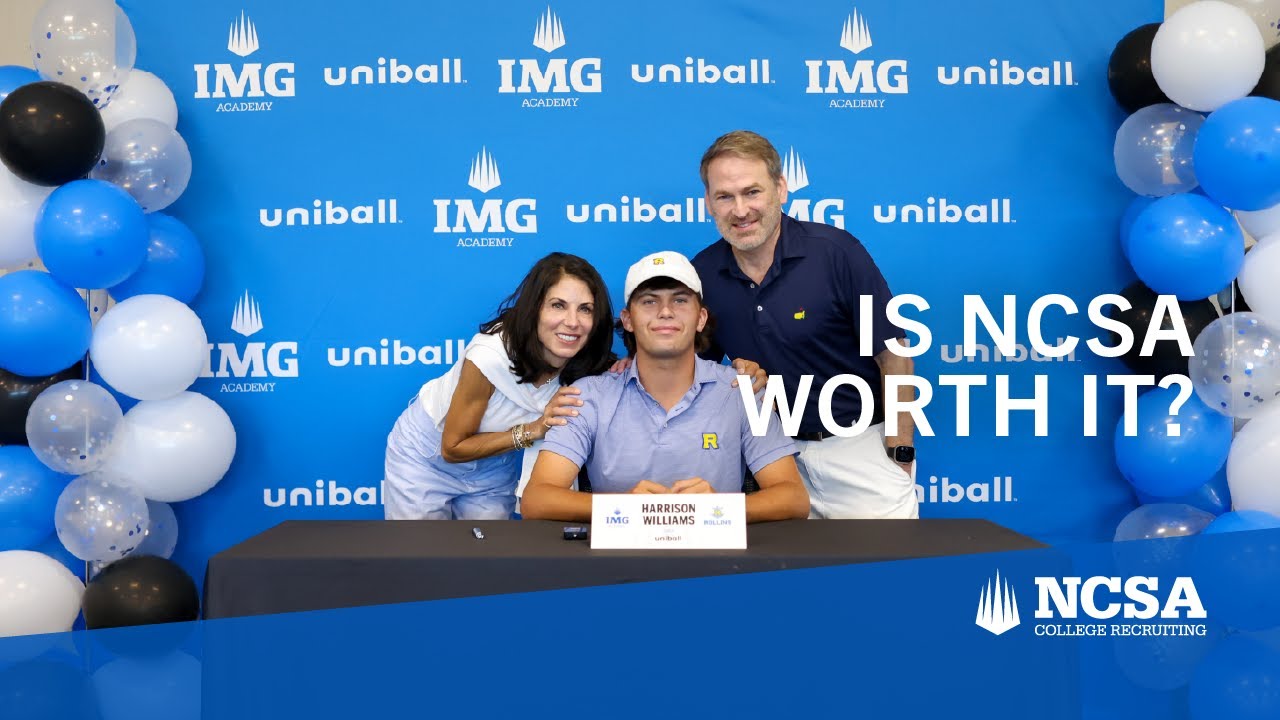
For those wondering, “Is NCSA legit?”, our history and thousands of athlete success stories speak to our dedication and credibility in college sports recruiting. Our mission is to empower student-athletes to achieve their dreams of playing sports at the college level. With over two decades of experience, we’re committed to providing the resources, guidance, and…