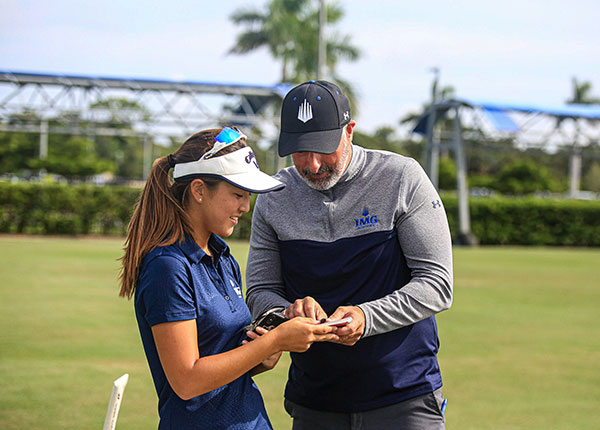
Are college ID camps worth it? That question hits every recruiting family at some point, usually right after a glossy mailer lands on the kitchen counter or an email in your inbox. A high school junior pulls out an “exclusive invitation” to a Division I program’s identification camp, and the family immediately wonders whether this is a real recruiting opportunity or a $400 fee with a certificate at the end.
The honest answer is neither yes nor no. It depends entirely on which camp, which school, and where the athlete is in their recruiting timeline.
This guide cuts through the noise. By the end, you’ll know what coaches actually evaluate during these camps, how to calculate the real all-in cost, how to spot a fee-collection event masquerading as a recruiting opportunity, and when a platform like NCSA College Recruiting by IMG Academy gets your profile in front of 50,000+ college coaches without a single plane ticket. You’ll walk away with a clear decision framework, not a gut feeling.
Key Takeaways
- College ID camps are most worthwhile when a coach has already expressed interest and the school fits your recruiting goals.
- An ID camp invitation does not necessarily mean you are being recruited. Look for personal outreach from a specific coach.
- Budget for travel, lodging, meals and equipment, not just the advertised registration fee.
- Use college ID camps to develop existing coaching relationships and showcases to build exposure to new programs.
- Contact coaches before the event, show coachability during camp and follow up within 24 to 48 hours.
What College Coaches Actually Evaluate at ID Camps
A typical college ID camp runs through technical drills, positional and tactical sessions, and competitive game play. Coaches don’t plant themselves in front of one athlete and watch continuously. They rotate attention across positions, age groups, and situations, accumulating several minutes of meaningful observation per player rather than one sustained block.
The competitive game segment, usually 60 to 90 minutes, is where coaches gather the most useful data. Decisions, composure, and competitive drive all show up in live context in ways that drills simply can’t replicate.
Beyond technical skills like first touch, passing accuracy, and finishing, coaches watch for tactical positioning, decision-making speed under pressure, work rate, and coachability. That last quality is often the deciding factor between two technically similar athletes. Does the player make eye contact during instructions?
Do they apply the correction in the very next repetition? A player who is technically strong but visibly frustrated after a turnover sends a clear signal to the coaching staff. Coaches also extend their evaluation to warmups, transitions, bench time, and even meals. The entire camp day, from the parking lot to the drive home, is evaluation time.
The Real Cost of Attending a College Recruiting ID Camp
The advertised camp fee is almost always the smallest line item in the total budget. Day camps typically run $150 to $350, while residential or multi-day camps range from $400 to $900. Once you add transportation, lodging, meals, and gear, a single regional camp commonly reaches $700 to $1,400 for a driving trip and $1,000 to $2,000 or more if the family is flying.
Three to five strategically selected camps in a single year can run $900 to $3,000 before any club or showcase expenses. A practical rule: add a 20 to 30 percent contingency buffer on top of your total estimate, because hidden costs like rental cars, baggage fees, and last-minute gear replacements have a way of appearing.
When Is a College ID Camp Worth the Cost?
The more important question isn’t what the camp costs in dollars. It’s what you’re getting for those dollars. A $500 camp at a school where the coaching staff has shown zero prior interest offers a weak expected return.
“Keep in mind bigger schools don’t necessarily run bigger or better camps,” said NCSA recruiting expert Jeff Wilson, a former college coach “A camp’s value comes from whether it makes you a better player and whether you push yourself while you’re there.It also comes from if it builds a relationship with a college coach at a school where you are interested in attending and are a good fit.
That same $500 at a school that has already watched your film, opened a dialogue, and specifically requested you come for an evaluation is a high-conversion investment. School selection matters far more than the camp itself. A targeted approach, attending a small number of camps where a coach has already expressed real interest, consistently outperforms a broad approach of attending many camps based on program name recognition alone.
Are College ID Camps Worth It at Your Budget Level?
Before committing to any camp registration, map out your full-year recruiting budget. If three camps will consume your entire travel fund, prioritize the one school where a coach has already responded if that is a school you want to attend. Spend remaining resources on direct outreach and film rather than additional camp fees at programs that haven’t yet signaled interest.
To improve your game, a development camp like those at IMG Academy may be a more budget-friendly option.
How to Vet a Camp Invite Before You Register
Warning Signs in a College ID Camp Invitation
Not every camp invite reflects real recruiting interest. Generic, mass-mailed invitations with no coach name, camps run by third-party organizations with no actual connection to the school’s coaching staff, and large events with no positional grouping are all warning signs. If the invite looks like a brochure blast rather than a personal message, treat it accordingly.
Signs a Coach Has Genuine Recruiting Interest
An invite from a coach who is showing interest looks different. It may come from the position coach or a specific assistant who references your club team, graduation year, or a particular game they watched. Coaches who are actively recruiting reach out before the camp starts, not after you’ve already paid the registration fee.
Before registering for any camp, email the coaching staff directly and ask whether there’s a realistic roster need for your graduation year and position. A program with real interest responds with specifics. A fee-collection camp sends you a registration link.
College-Run ID Camps vs. Third-Party Showcases: When to Choose Each
College-run identification camps carry the strongest conversion value for the host school specifically. They’re the right choice when a coach has already shown interest, when your profile fits the program’s roster timeline, and when your goal is to advance an existing relationship toward an official visit or offer. Showcases build breadth. College ID camps build depth. An ID camp confirms and deepens interest, it rarely creates interest from nothing.
Third-party showcases and tournaments deliver more value when you’re still building your school list, need broad exposure across multiple programs, or play a sport where coaches rely heavily on club and showcase evaluation before inviting athletes to campus.
The critical variable at any showcase isn’t the organization’s branding: It’s which coaches actually attend the event for your position and graduation year. Before registering for any showcase, ask the event organizer directly: which programs have confirmed attendance for my position and class? If they can’t answer that specifically, factor it into your decision.
Recruiting ID Camps vs. Showcases: A Quick Framework
Use college ID camps to advance relationships that already exist. Use showcases and tournaments to build new ones. The two tools serve different stages of the recruiting pipeline and work best when deployed accordingly.
How to Stand Out at an ID Camp from Arrival to Follow-Up
Before the Camp: Contact the Coach
The work that changes your outcome starts before you step on the field. Send a brief email to the position coach the week before the camp. Reconfirm your attendance, express real interest in the program, include a current highlight link, and mention a specific aspect of their style of play that appeals to you.
This positions you in the coach’s mind before evaluations begin. Athletes who arrive as a name, not a number, consistently receive more focused attention during the day.
During the Camp: Show Coachability
During the camp, your behavioral details matter as much as your athletic performance. Coachability shows up in the first drill. Consistent effort regardless of the score separates athletes on a crowded field. How you communicate with unfamiliar teammates, how you respond after an error, and how you carry yourself when coaches aren’t directly addressing you all become part of the mental file coaches build on every prospect they see. “Small acts of character add up,” said Wilson. That can include:
- Helping pick up equipment and water cups
- Being a good teammate to players you’ve just met
- Treating your own coaches and teammates with respect
After the Camp: Follow Up with Coaches
After the camp, send a brief, specific thank-you email to any coach you spoke to or worked withwithin 24 to 48 hours. Reference a coaching point you learned, mention your upcoming schedule, and include a new film link if you have recent footage available. A follow-up email after a camp is a great way to stand out.
An athlete who sends one places themselves in a small group of recruits who demonstrated initiative, exactly the character trait coaches document alongside athletic ability.
Smarter Ways to Build Your Recruiting Pipeline Without Relying Only on Camp Fees
Personalized, targeted coach email outreach consistently delivers strong recruiting results at zero cost. A well-crafted email with a 3-to-5-minute highlight reel, a full-game film link, your graduation year, GPA, and competition schedule gives a coach everything needed to evaluate fit.
The key differentiator is personalization: message coaches whose program level, roster needs, and academic profile match yours, not a bulk list assembled from a directory. For athletes who haven’t yet been on a specific staff’s radar, this approach is both the most cost-efficient and highest-ROI move in the entire recruiting process.
For families looking to expand their reach without multiplying their travel budget, NCSA College Recruiting adds a strategic layer to the entire process. Through NCSA, athletes build a coach-ready profile visible to more than 50,000 college coaches and use direct messaging to initiate contact with programs that match their athletic and academic fit. The College Match tool uses data to surface programs where your profile aligns with real roster needs, turning guesswork into a targeted list.
Start today with your free profile.
When a relationship with a coaching staff hasn’t been established yet, NCSA functions as a smarter complement to a selective camp strategy, and often the higher-ROI move on its own. A family weighing a $1,500 camp trip to a school that hasn’t shown prior interest gets substantially more reach by putting their athlete’s profile in front of tens of thousands of coaches through a single platform.
Five Practical Recruiting Actions
- Build quality game video, even self-filmed footage works for initial outreach
- Research 15 to 20 programs that realistically match your level, position, and academics
- Email each coaching staff individually with personalized context and a film link
- Attend club or showcase events where coaches for your target programs have confirmed presence
- Reserve ID camp attendance for schools where a coach has already responded or requested an evaluation
Frequently Asked Questions About College ID Camps
Does a camp invite mean a coach is interested?
Not necessarily. Many camp invitations are sent widely. A personalized note from a coach referencing your team, graduation year or film is a stronger sign of interest. Ask the coaching staff directly to see whether they are recruiting your position.
How many camps should a recruit attend?
There is no set number. Prioritize a small number of camps at schools that fit your athletic and academic goals, especially where coaches have already responded or requested an evaluation. Consider the total cost before registering for more.
How do you follow up with coaches after a camp?
Send a brief thank-you email to the position coach within 24 to 48 hours. Mention a specific coaching point from camp, share your upcoming competition schedule and include an updated film link if available.
So, Are College ID Camps Worth It?
Yes, when they are targeted, relationship-confirmed, and selected strategically. No, when they are chosen based on a generic invite or a big-program name alone. The framework is straightforward: vet every invite before registering, budget for the true all-in cost rather than the advertised camp fee, and prioritize camps at schools where a coach has already communicated real interest. Broad camp spending without prior coach contact is one of the most expensive and least efficient ways to advance your recruitment.
Build your broader recruiting strategy around direct outreach, quality film, and platforms that maximize your exposure without multiplying your travel expenses. Athletes who use NCSA alongside a selective camp strategy consistently build a wider, more qualified pipeline faster than those who rely on camp attendance alone.
The goal isn’t to attend more camps. It’s to put yourself in front of the right coaches through every channel available, and to answer the question of whether college ID camps are worth it with a clear, informed yes or no before you ever register.
Create your free NCSA athlete profile today and start connecting directly with college coaches who are actively recruiting your position, your graduation year, and your academic profile. The recruiting process moves fast. Get ahead of it now.