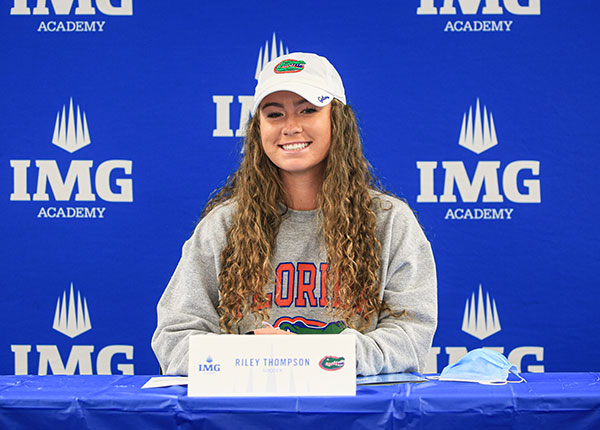
College athletes can earn a spot on a team through an athletic scholarship or as a walk-on. Scholarship athletes receive financial aid for playing their sport, while walk-ons typically join a team without athletic aid. Both paths offer opportunities to compete at the college level, but scholarship availability, roster spots and eligibility rules vary by school and division. Understanding the difference between a walk-on and a scholarship athlete can help you choose the right recruiting path.
Key takeaways
- College athletic scholarships may cover some or most college costs. Award amounts depend on the school, sport, and available funding.
- Walk-on athletes join college teams without athletic scholarships. Preferred, recruited, and unrecruited walk-ons have different paths to earning roster spots.
- Under the 2025 NCAA scholarship changes, participating Division I schools can offer scholarships to any athlete on their roster.
- New 2026 NCAA Division I and II eligibility rules replace traditional athletic redshirt limits with a five-year eligibility period based on age and enrollment.
- A verbal offer is not binding. Review your written athletic aid agreement and confirm your roster status before committing to a college.
On this page
Key types of athletic scholarship offers
There are two key types of athletic scholarships offers: full-ride and partial.
Full-ride scholarship offer
A full-ride scholarship is one that covers most major college costs. The NCAA says a full athletics scholarship may cover tuition and fees, room, board and course-related books. These scholarships offer great financial help but are very competitive to receive. Scholarship availability is still dependent on program funding, which varies by school and sport.
Partial scholarship offer
While not a full ride, a partial scholarship offer can still cover a significant portion of college costs or very little. For example, one student-athlete on a team gets a scholarship that covers tuition, while another teammate may only get offered a scholarship that covers the costs of books.
House-settlement participating Division I schools may offer athletics scholarships to any or all athletes on their declared roster, subject to school funding and financial-aid decisions.
Sport-specific scholarship maximums have been removed and replaced by roster limits.
College walk-on vs scholarship
Not all offers come with a monetary reward. Sometimes, the reward is simply a spot on the roster.
Walk-ons are far more common in college sports than most families and student-athletes realize. It’s important to understand the distinctions between the different types of walk-ons as you navigate the recruiting process. Read below for a breakdown of each walk-on option.
What is a walk-on athlete?
A walk-on athlete is a rostered athlete who does not receive athletics aid. The player’s route onto the roster varies.
What is a preferred walk on (PWO)?
A preferred walk-on (PWO) offer promises you a roster spot, but you won’t receive any athletic aid. A preferred walk-on is the highest status a recruit can get outside of receiving an athletic scholarship. In this scenario, the coach is offering an initial non-scholarship roster opportunity and athletes should clarify exactly what the offer guarantees.
Some student-athletes will turn down scholarship offers at smaller schools to play for a bigger program as a preferred walk-on. But keep in mind, future roster status is not guaranteed.
Can preferred walk-ons earn a scholarship?
Yes, preferred walk-ons may receive athletics aid in a future term or year, depending on the school, program and applicable rules, but nothing is guaranteed.
Do preferred walk-ons sign on signing day?
Preferred walk-ons who receive no athletics aid do not sign an NCAA athletics aid agreement, although schools may hold ceremonial signings.
Recruited walk-on
A recruited walk-on offer means the coach has expressed recruiting interest, but the athlete does not have athletics aid and may still need to earn a roster spot under the program’s process.
Although there is no financial assistance or even a guarantee of making the team, some student-athletes still view a recruited walk-on offer as a great opportunity to play at the highest level of competition.
Unrecruited walk-on
An unrecruited walk-on offer occurs when a student-athlete qualifies for admission to the school and plans to pursue a roster spot after enrolling if the program offers a tryout or another walk-on process. In this scenario, there is usually a conversation with the college coach prior to enrollment to confirm the student-athlete will be able to try out for the team.
There is a lot to consider with any type of walk-on offer. This is especially true if you have scholarship offers from other schools.
Roster limits can reduce flexibility for walk-ons, while individual programs decide how many non-scholarship athletes they carry within those limits.
Redshirt, grayshirt, greenshirt and blueshirt: what do these terms mean?
College coaches may use terms like redshirt, grayshirt, greenshirt and blueshirt when discussing a recruit’s enrollment, scholarship or playing opportunities. While these terms have traditionally described different roster situations, new NCAA eligibility rules have changed how they apply.
Beginning with the 2026–27 academic year, NCAA Divisions I and II introduced an age-based eligibility model that replaces the traditional four-seasons-in-five-years system for athletes covered by the new rules.
Here’s what student-athletes and families need to know.
| Term | What It Means | What Athletes Should Know |
|---|---|---|
| Redshirt | Traditionally, an athlete who practices but does not compete to preserve a season of eligibility. | The new D1/D2 rules eliminate traditional athletics redshirt restrictions for athletes under the age-based model. |
| Grayshirt | An athlete who delays full-time college enrollment, often until the spring semester. | Delaying enrollment does not necessarily delay the start of NCAA eligibility. |
| Greenshirt | An athlete who graduates high school early and enrolls in college before their expected fall start. | Early enrollment may provide additional training opportunities but can also start the eligibility period sooner. |
| Blueshirt | A historical recruiting and scholarship designation associated primarily with certain football scholarship-counting rules. | Older blueshirt scholarship-counting strategies should not be assumed to apply under current rules. |
Redshirt
Traditionally, redshirting allowed a student-athlete to practice with the team without using a season of competition. Coaches often used redshirt seasons to help athletes develop physically, adjust to college athletics or recover from injuries.
That changed in 2026. Under the new NCAA Division I and II age-based eligibility model, athletes are no longer limited to four seasons of competition. Instead, eligible athletes may compete during a continuous five-year period.
This means athletes covered by the new rules no longer need to sit out a season to preserve one of their four seasons of competition. However, coaches may still decide to limit an athlete’s playing time for development or other team-related reasons.
An academic redshirt is different. This NCAA initial-eligibility classification applies to certain incoming Division I student-athletes who meet some, but not all, academic requirements. These athletes may practice and receive athletics aid during their first academic year but cannot compete.
Grayshirt
A grayshirt is a student-athlete who delays full-time enrollment, often starting college in the spring rather than the fall. Coaches may discuss this option when managing incoming recruits and roster availability.
Under previous NCAA rules, delaying full-time enrollment could also delay the start of an athlete’s eligibility clock.
However, the new Division I and II rules tie eligibility to both age and enrollment. The five-year period generally begins at the earlier of full-time college enrollment or the start of the regular academic year following the athlete’s 19th birthday.
Insider Tip: Before accepting a grayshirt arrangement, ask the coach when you can join the team, whether athletics aid will be available and how delaying enrollment will affect your eligibility.
Greenshirt
Greenshirting generally refers to a student-athlete who graduates high school early and enrolls in college during the spring semester before their expected fall start.
This can allow athletes to begin college classes, participate in team activities when eligible and adjust to the demands of college athletics before their first traditional fall season.
However, early full-time enrollment also starts the NCAA eligibility period under the new Division I and II rules.
Athletes considering early graduation should discuss their academic readiness, scholarship arrangements and eligibility timeline with their future college.
Blueshirt
Blueshirting is an older recruiting term associated primarily with football programs. It described certain situations in which previously unrecruited athletes could receive athletics scholarships while their awards were counted against a future scholarship limit.
Following the 2025 House settlement, Division I schools participating in the settlement operate under a new scholarship and roster-limit framework. The previous blueshirt scholarship-counting explanation should not be treated as current guidance for those programs.
If a coach uses the term blueshirt, ask what it means for your roster status, financial aid and opportunity to compete.
How do the new NCAA eligibility rules affect student-athletes?
Under the NCAA’s age-based eligibility changes, Division I and II student-athletes generally have a continuous five-year eligibility period, rather than four seasons of competition.
The rules apply differently depending on when an athlete first enrolled in college:
- Current college athletes with eligibility remaining after 2025–26: Their schools apply whichever eligibility model, old or new, provides the more favorable outcome.
- Athletes first enrolling full time during 2026–27: They may also receive the more favorable outcome under either model.
- Athletes first enrolling full time in fall 2027 or later: The new age-based eligibility model applies.
The five-year period generally begins at full-time college enrollment or the applicable age-based starting point following the athlete’s 19th birthday, whichever comes first. It continues even if the athlete does not compete or takes time away from college athletics, subject to limited exceptions.
These changes make it particularly important to understand how a delayed enrollment, gap year or early graduation could affect eligibility.
Before accepting any college recruiting offer, ask the coach and athletic compliance office to explain how your enrollment plans, scholarship agreement and eligibility timeline fit together.
How do college coaches make offers?
Understanding how college coaches make offers is crucial to navigating the recruitment process.
Coaches assess talent based on athletic performance, academic achievement, and a player’s potential to contribute to the team’s culture.
They review game footage, host campus visits, and use recruiting camps as platforms for discovery — all within the confines of NCAA regulations.
Learn more about the college recruiting process.
How to get offers
If you’re wondering how to get offers from college coaches, preparation is key. Start by focusing on your training and academics, then create a compelling highlight video and attend recruitment events. Consistent communication with coaches can be the catalyst to turning your athletic potential into scholarship offers.
Frequently asked questions
What is a D1 offer?
A D1 offer means a college coach wants to recruit you to their athletic program. Offers may include an athletic scholarship or a walk-on opportunity without athletic aid. A verbal offer is not binding, and you must still meet the school’s admission and NCAA eligibility requirements.
When do D1 schools make offers?
While it can vary by sport and individual performance, Division I coaches often start their evaluations during the junior year, with many formal offers extending in the fall or spring. Understanding this timeline can help you strategically plan your athletic and academic activities.
Can you get offers as a freshman?
Yes, college coaches may show interest in high school freshmen, but NCAA recruiting rules limit when coaches can communicate directly with recruits in many sports. Early interest does not guarantee a scholarship, roster spot, or college admission.
What is a walk-on in football?
A football walk-on joins a college team without an athletic scholarship. Preferred walk-ons are typically offered an initial roster spot by the coach, while other walk-ons may need to earn a spot through the team’s recruiting or tryout process. Walk-on opportunities depend on each program’s roster needs.
Do NCAA redshirt rules still apply?
The NCAA introduced new Division I and II eligibility rules in 2026 that replace traditional athletic redshirt limits with a continuous five-year eligibility period based on age and college enrollment. Transition rules apply to current athletes and those who first enroll full time during the 2026–27 academic year.
Can walk-on athletes earn scholarships?
Yes. Walk-on athletes may earn athletic scholarships after joining a college team, depending on available funding and school policies. However, receiving a scholarship is never guaranteed. Ask the coach whether future athletic aid may be available before accepting a walk-on opportunity.
Can Division 1 colleges offer full scholarships to every athlete?
Under the 2025 House settlement rules, participating Division I schools can offer athletic scholarships to any or all athletes on their declared roster. However, schools decide how much aid to award, and not every athlete will receive a full scholarship. Nonparticipating schools follow different scholarship rules.
Find your path to college sports
Whether you’re pursuing an athletic scholarship or a walk-on opportunity, finding the right college starts with getting noticed by coaches. NCSA can help you connect with college programs, explore recruiting opportunities and find the right fit for your athletic and academic goals.
Create your free NCSA recruiting profile to start connecting with college coaches today.