
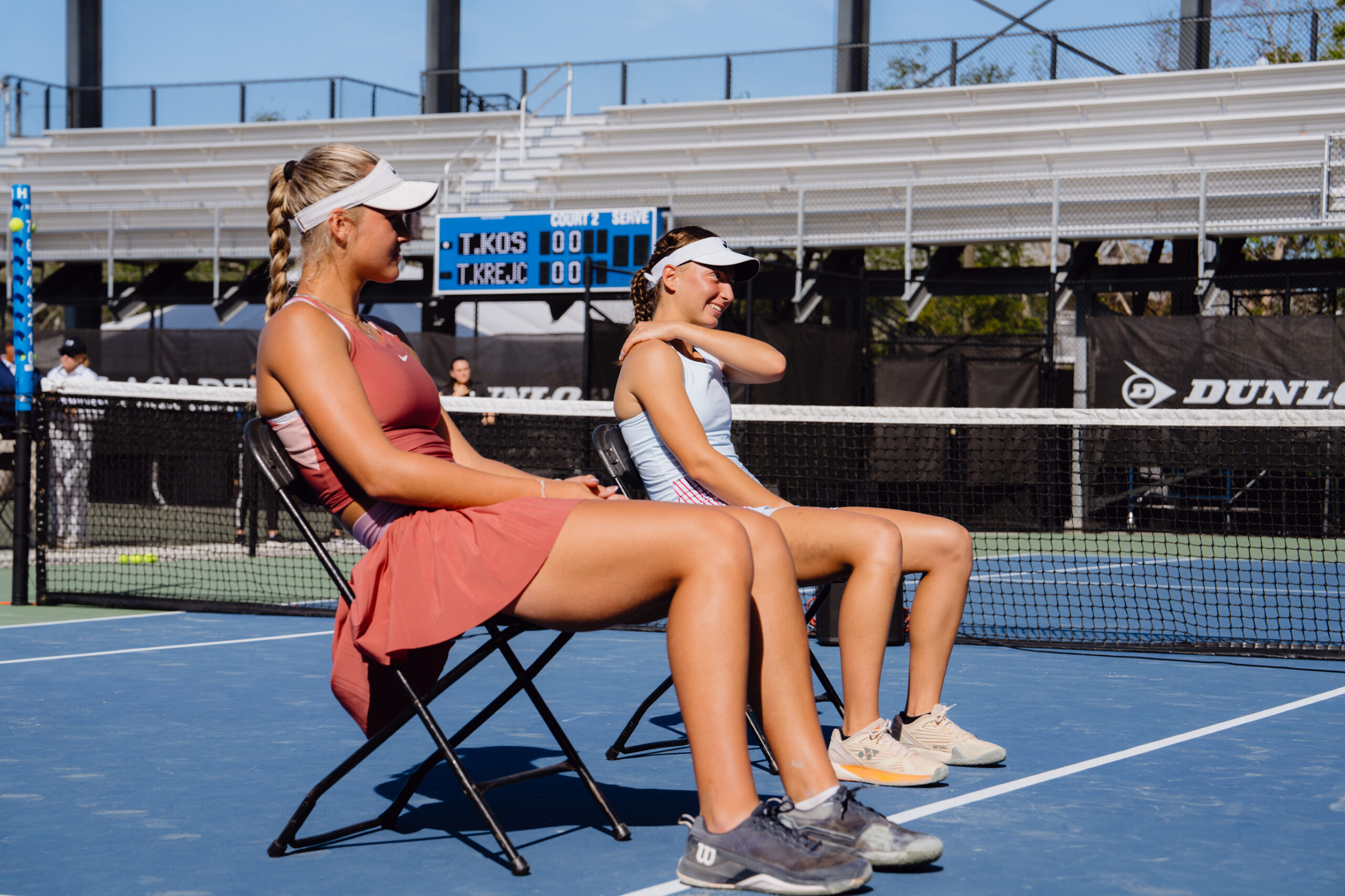
The NAIA 5th year eligibility rule gives college athletes the opportunity to compete for an additional season beginning in fall 2027. But what does the NAIA 5-year eligibility rule change mean for current students, incoming recruits and transfer athletes?
Understanding the updated NAIA eligibility rules, including how the eligibility clock works and who qualifies for a fifth year, can help student-athletes and families plan their next steps. Here’s what you need to know about the rule change and how it could affect your college athletic career.
Key Takeaways
- The NAIA 5th year eligibility rule takes effect in fall 2027, allowing qualifying student-athletes to compete for five seasons instead of four.
- Current students may qualify if they entered the 2026–27 academic year with eligibility remaining and meet academic requirements.
- Athletes who exhausted all four seasons before 2026–27 will not have an additional season restored.
- Unlike the NCAA’s five-year eligibility clock, NAIA athletes can take breaks from school without automatically losing their remaining seasons.
- NCAA transfers may qualify for additional NAIA eligibility, even if their NCAA five-year clock has expired, depending on their individual circumstances.
What the NAIA announced
On November 4, the NAIA approved a fifth year of eligibility for student-athletes, replacing its current four-year limit. The new model takes effect in fall 2027 and ties the fifth year to academic progress rather than age. Athletes who are earning the required credit hours and meet all other eligibility requirements can compete for a fifth year. NAIA approves adding fifth year of eligibility starting fall of 2027.
“For student-athletes, it’s important to monitor how this changes roster openings at NAIA schools,” said NCSA recruiting expert Sue Webber, a former NAIA volleyball coach. “If you have a relationship with an NAIA coach, you should ask them directly if it may affect your recruitment.”
Two details matter for recruits:
- NAIA eligibility rules for transfer students get more flexibility. Under the NAIA’s new model, an expired NCAA five-year clock will not automatically exclude a transfer student from eligibility.
- It isn’t retroactive. Athletes who used up their four years before the 2026-27 academic year won’t get an extra year restored.
The NCAA moved first
The NAIA’s decision follows a similar change at the NCAA. In June, the Division I Cabinet unanimously approved a new model that gives athletes five seasons of competition over a five-year period. The old model gave athletes four seasons of competition across five years. NCAA panel approves new eligibility rules giving Division I athletes 5 years to play 5 seasons.
NAIA 5-year eligibility rule change details:
- The NAIA five-year eligibility clock starts at initial full-time college enrollment or the academic year following the athlete’s 19th birthday, whichever comes first.
- The new model affects all athletes who enroll in 2027-28.
- Extensions are expected to be available only for religious missions, maternity leave or active-duty military service. That means far fewer medical hardship waivers and redshirt extensions than before.
The big picture for recruits
- The class of 2027 is the first to benefit. Both new models start with athletes who enroll in fall 2027. If you graduate in spring 2027, you’re the first group planning a college career with five seasons in mind.
- Recruiting timelines may get more complicated. An extra year of eligibility gives programs more flexibility in how they build rosters. Coaches may weigh a recruit’s long-term development more heavily, since an athlete can now grow into a role over five seasons instead of four. It’s also reasonable to expect more competition from older, more experienced athletes. Nobody knows yet exactly how each program will use the extra year, so ask coaches directly.
- Your academics matter more than ever. The NAIA ties its fifth year to academic progress, so staying on track with credit hours is what keeps you eligible. Strong grades also help you get recruited in the first place. Coaches want athletes who can stay eligible.
- NAIA programs deserve a serious look. The NAIA has long been a strong option for athletes who want real playing time, close relationships with coaches and smaller campuses. A fifth year gives athletes more time to develop and compete, and more flexibility if they transfer.
- The rules are still settling. Each division and school will interpret and apply these changes in its own way. Eligibility rules have shifted a lot in the past few years, and litigation continues. Rely on official sources and the compliance office at each school you’re considering.
What to do now
Start early. Build your recruiting profile, film and academic plan now. Your window to get noticed doesn’t get longer just because the eligibility window did.
Cast a wide net. Explore NCAA D1, D2, D3 and NAIA programs. Each level has its own eligibility rules and timelines. NCSA’s College Match tool can help find the program that’s right for you across all levels.
Ask coaches about their plan for you. How do they see your four-to-five-year development? How do they handle the fifth year?
Register with the right eligibility center. The NCAA and NAIA each have their own eligibility centers with their own requirements.
Talk to your counselor. Make sure your core courses and GPA meet the requirements for the divisions you’re targeting.
Bottom line
More time to compete is good news for student-athletes, but it also means more to understand. The athletes who come out ahead will be the ones who stay informed, stay on track academically and start the recruiting process early.
Ready to get started? Create your free recruiting profile today and connect with college coaches who are looking for athletes like you.
Frequently Asked Questions
When does the NAIA 5th year eligibility rule take effect?
The NAIA’s new fifth-year eligibility rule takes effect in fall 2027. Approved on November 4, 2026, the rule allows qualifying student-athletes to compete for up to five seasons instead of four.
Do the new NAIA eligibility rules apply to current students?
Yes. Current NAIA student-athletes may qualify for a fifth season if they entered the 2026–27 academic year with eligibility remaining and have sufficient terms of attendance available. Athletes who exhausted their eligibility before 2026–27 do not qualify.
How does the NAIA eligibility clock work?
Unlike the NCAA’s continuous eligibility clock, the NAIA does not require athletes to use their five seasons consecutively. Student-athletes can take time away from school without automatically losing eligibility, but limits on college terms attended still apply.
Can NCAA transfers get a fifth year of eligibility in the NAIA?
Yes, depending on their individual circumstances. NCAA transfers may have NAIA eligibility remaining even if their NCAA five-year clock has expired. Previous college participation, enrollment history and NAIA eligibility requirements determine whether they qualify.
Can NAIA athletes who already played four seasons get a fifth year?
Possibly. Athletes who entered 2026–27 with eligibility remaining may qualify for a fifth season beginning in fall 2027. However, athletes who completed all four seasons before the 2026–27 academic year cannot regain eligibility.
What are the academic requirements for a fifth year of NAIA eligibility?
Student-athletes must earn the required college credit hours, make satisfactory academic progress and meet all other NAIA eligibility requirements. A fifth season is not automatically guaranteed.